
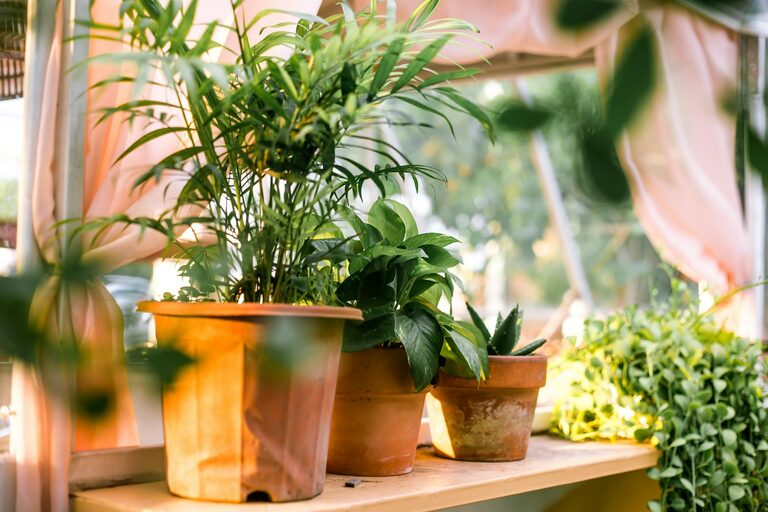
Creating a sustainable home garden is a rewarding way to enjoy fresh produce, beautiful plants, and a healthier environment. Whether you have a spacious backyard or a small balcony, you can develop a garden that thrives year-round with care, planning, and eco-friendly practices. In this post, we’ll explore practical tips to help you design and maintain a sustainable home garden that benefits you and the planet.
Why Choose a Sustainable Garden?
Sustainable gardening focuses on using resources wisely and reducing waste and pollution. It encourages biodiversity, conserves water, enriches soil naturally, and avoids harmful chemicals. By growing your own plants sustainably, you contribute to healthier ecosystems and reduce your carbon footprint.
Planning Your Year-Round Sustainable Garden
1. Assess Your Space and Climate
Start by observing your available space and how sunlight moves throughout the day and different seasons. Understanding your garden’s microclimate will help you choose plants that are well-suited to your conditions and will increase your chances of success.
2. Choose Native and Seasonal Plants
Native plants are adapted to your local environment, needing less water and care. Selecting seasonal vegetables and flowers ensures your garden remains productive and vibrant all year long. Rotate crops to maintain soil health and avoid pests.
3. Use Raised Beds or Containers
Raised beds and containers offer better control over soil quality and drainage. They’re especially useful if your garden soil is poor or if you are gardening in a small area. You can move containers indoors or to sunnier spots as needed.
Soil Preparation and Care
4. Improve Soil Naturally
Healthy soil is the foundation of a sustainable garden. Avoid chemical fertilizers and instead enrich your soil with organic materials such as compost, aged manure, and mulch. These feed beneficial microbes and improve soil structure.
5. Composting at Home
Composting kitchen scraps and garden waste reduces landfill and produces rich compost to nourish your plants. Set up a compost bin in your garden and regularly add material to keep it active. Worm composters are another efficient option.
6. Mulch to Retain Moisture
Mulching with natural materials like straw, leaves, or bark helps conserve water, suppress weeds, and regulate soil temperature. Apply mulch around your plants regularly, especially in warmer months.
Water Conservation Techniques
7. Collect and Reuse Rainwater
Collect rainwater using barrels or buckets to reduce reliance on tap water. Rainwater is free of chemicals like chlorine and better for your plants. Use it to water your garden in the morning or evening when evaporation is lower.
8. Use Drip Irrigation or Soaker Hoses
Efficient watering systems such as drip irrigation deliver water directly to the roots, minimizing waste. These systems can be set on timers to ensure consistent watering without overdoing it.
Pest Management and Biodiversity
9. Encourage Beneficial Insects
Attracting natural predators like ladybugs, bees, and spiders helps control pests without chemicals. Plant flowers such as marigolds or herbs like basil to create habitats for these helpful insects.
10. Practice Companion Planting
Certain plants grow well together and protect each other from pests. For example, planting garlic near roses can deter aphids. Research companion planting guides tailored to your region.
11. Handpick Pests and Use Natural Remedies
Regularly inspect your plants for pests and remove them by hand if possible. Homemade sprays made from ingredients like neem oil or garlic can be effective without harming beneficial insects.
Extending Your Growing Season
12. Use Cold Frames and Greenhouses
Cold frames and small greenhouses protect plants from frost and allow you to start seedlings early or grow hardy crops into winter. They extend your gardening season sustainably by trapping natural heat.
13. Rotate Crops and Plant Cover Crops
Rotate different plant families in your garden beds to prevent soil depletion and disease build-up. Cover crops like clover or rye improve soil nitrogen and prevent erosion during inactive periods.
14. Harvest and Store Efficiently
Collect fruits and vegetables when ripe to avoid waste. Learn proper storage techniques such as drying, freezing, or fermenting to enjoy your harvest off-season and reduce the need to buy from outside.
Maintaining Your Sustainable Garden
15. Keep a Gardening Journal
Track what you plant, when, and how your garden performs through the seasons. Take notes on weather, pest outbreaks, or soil conditions to improve your garden’s performance each year.
16. Share and Swap Seeds
Participate in local seed swaps or community gardening groups to exchange seeds. This promotes genetic diversity, saves money, and connects you with other sustainable gardeners.
Conclusion
Building a sustainable home garden year-round is an enjoyable and practical way to support the environment while enjoying fresh plants and produce. By choosing native plants, improving soil health, conserving water, encouraging biodiversity, and using natural growing techniques, you can cultivate a vibrant garden in every season. Start small, observe your garden’s needs, and adapt your approach over time for the best results.
Happy gardening!