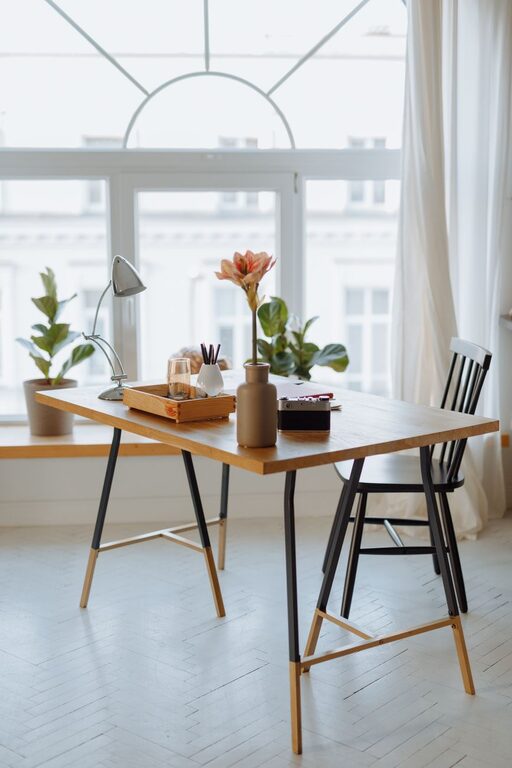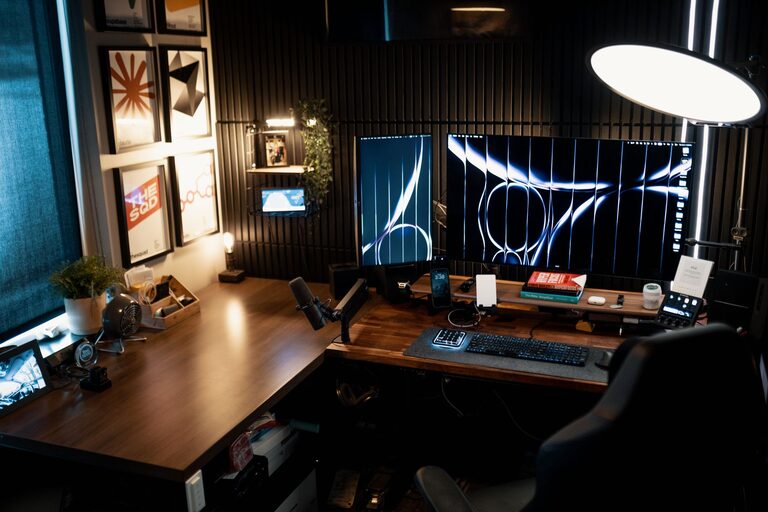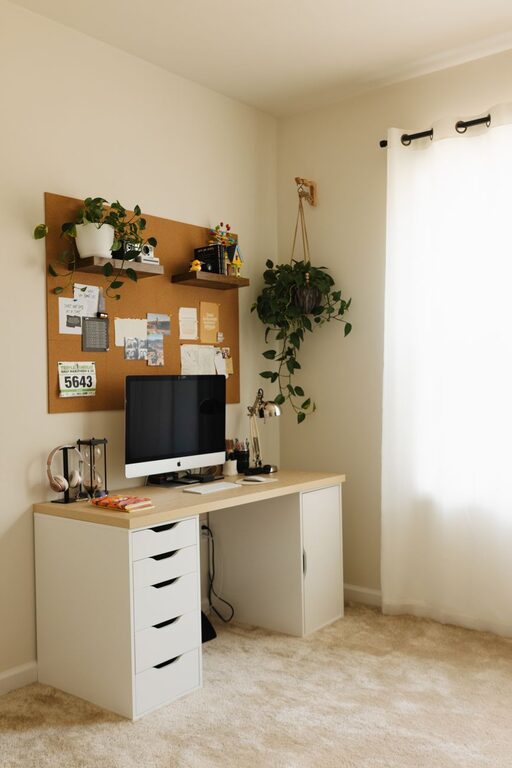
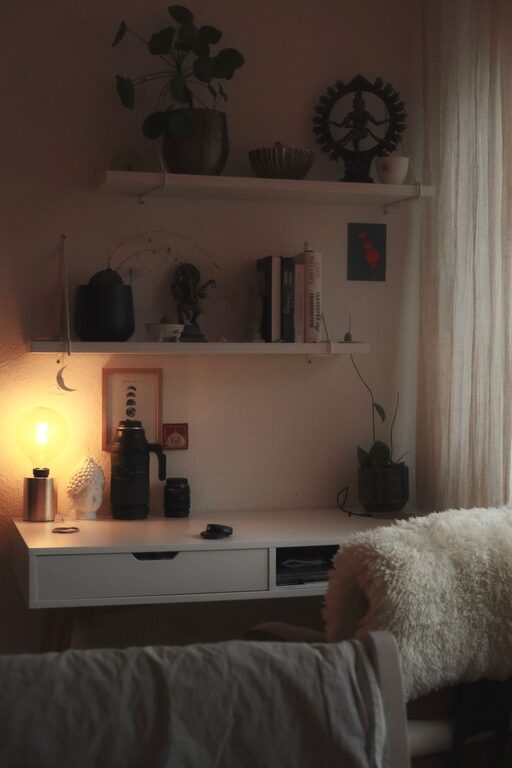
Creating a home office that feels both cozy and productive is essential for many people working remotely. A well-designed workspace can boost focus, reduce stress, and improve overall work satisfaction. Whether you have an entire room or just a small corner, these tips will help you craft a home office that supports your best work while making you feel comfortable and motivated.
Choose the Right Location
Find a Quiet Spot
Start by selecting a location with minimal distractions. Ideally, your home office should be in a quiet area, away from noisy household activities like the kitchen or living room. If space is limited, consider using noise-cancelling headphones or adding soft furnishings that absorb sound.
Ensure Adequate Space
Make sure your chosen spot has enough room for your desk, chair, and any needed equipment. Having enough space to move freely helps maintain comfort and prevents a cramped feeling, which can negatively affect productivity.
Invest in Ergonomic Furniture
Desk and Chair
An ergonomic chair and desk are crucial. Opt for a chair that supports your back well and can be adjusted for height. Your desk should allow your arms to rest at a comfortable angle, reducing strain during long work sessions.
Standing Desks and Alternatives
If you prefer a standing desk, make sure it can be adjusted to fit your height. Another option is to use a convertible desk that lets you alternate between sitting and standing, promoting better posture and energy throughout the day.
Optimize Lighting
Natural Light is Best
Try to place your desk near a window to take advantage of natural light. Natural light not only improves mood but also reduces eye strain. If glare is a concern, use blinds or sheer curtains to diffuse harsh sunlight.
Supplement with Artificial Lighting
Add a desk lamp with adjustable brightness and color temperature to complement daylight. Warm light creates a cozy atmosphere, while cooler light improves alertness. Consider a lamp with adjustable settings so you can customize your lighting throughout the day.
Personalize Your Space
Add Comforting Elements
Include items that make the space feel inviting, like a soft throw blanket, cushions, or a small plant. Plants can improve air quality and add a sense of calm and freshness to your environment.
Decorate Minimally
Use a few art pieces or photos to personalize your space without overwhelming it. A clean and uncluttered area helps keep the mind focused.
Organize for Efficiency
Use Storage Solutions
Keep your desk clear by using shelves, drawers, or organisers for papers, stationery, and tech gadgets. A tidy workspace minimizes distractions and helps you find what you need quickly.
Cable Management
Tidy up cables with clips, sleeves, or cable boxes. This avoids a messy look and reduces the risk of accidents.
Manage Technology Effectively
Reliable Equipment
Invest in good quality hardware like a comfortable keyboard, mouse, and monitor. Reliable technology decreases frustration and improves workflow.
Minimise Noise and Distractions
Consider noise-cancelling headphones or software that blocks distracting websites during work hours. Silence or controlled sound can greatly enhance concentration.
Incorporate Break Areas
Create a Relaxation Corner
If space allows, set up a small area with a cozy chair or cushion to take short breaks. A change of scenery within your home office encourages mental refreshment.
Practice Mindfulness
Use your break space for quick mindfulness exercises or stretching to reduce stress and maintain productivity.
Set Clear Boundaries
Define Work Hours
Establish regular working hours and inform others in your home to respect your schedule. This helps maintain a professional mindset and improves work-life balance.
End-of-Day Routine
Develop a routine to signal the end of your workday, such as turning off your computer or tidying your desk. This creates a mental separation between work and personal time.
Final Thoughts
A cozy yet productive home office doesn’t require a large budget or extensive renovation. By focusing on location, furniture, lighting, personal touches, and organisation, you can design a workspace that supports your work goals and enhances your well-being. Experiment with these tips and adapt your office to what feels best for you — a comfortable and focused work day is just a few thoughtful changes away.