
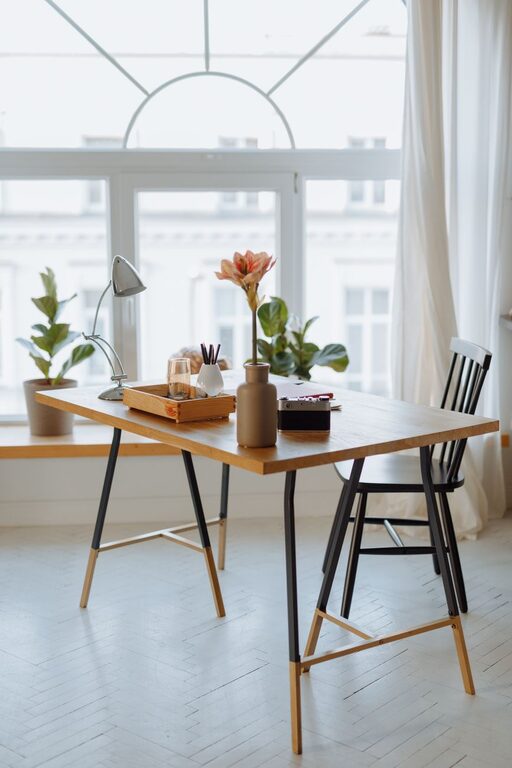
Creating a cozy and inviting home workspace is essential for anyone who spends a significant amount of time working from home. A well-designed workspace not only improves productivity but also enhances comfort and reduces stress. Whether you have a dedicated room or a small corner, thoughtful setup can make a big difference. Here are some practical tips to help you create a home workspace that feels welcoming and supports your focus.
1. Choose the Right Location
Consider Natural Light
Try to position your workspace near a window to make the most of natural light. Natural light is easier on the eyes, helps regulate your circadian rhythm, and can uplift your mood.
Minimize Distractions
Select a spot away from high-traffic areas or noisy parts of your home. This will help you maintain concentration and reduce interruptions during your work hours.
2. Invest in Comfortable Furniture
Ergonomic Chair
Your chair should provide good back support and encourage proper posture. Investing in an ergonomic chair can prevent discomfort and fatigue during long workdays.
Appropriate Desk Height
Choose a desk that fits your height and allows your elbows to rest comfortably at a 90-degree angle while typing. Adjustable desks that let you switch between sitting and standing positions are also a great option.
3. Create a Warm and Personal Atmosphere
Use Soft Textiles
Adding a cushion to your chair, a throw blanket nearby, or a small rug beneath your feet can immediately make the space feel cozier and more inviting.
Incorporate Personal Touches
Display a few personal items like photos, small artwork, or plants. These items can make the workspace feel uniquely yours without creating clutter.
4. Maximize Organization and Declutter
Functional Storage Solutions
Use shelves, drawers, or boxes to keep your supplies and documents neat and easily accessible. Clear and organized spaces help you think more clearly and reduce stress.
Cable Management
Tidy up messy cables with clips, sleeves, or under-desk trays. This small step improves the look of your workspace and reduces the chance of tangling or accidental unplugging.
5. Pay Attention to Lighting
Combine Natural and Artificial Light
In addition to natural light, make sure you have adequate artificial lighting. A desk lamp with adjustable brightness and color temperature can help reduce eye strain.
Avoid Screen Glare
Position lights to avoid reflections on your computer screen. Experiment with different angles or use blinds and curtains to control daylight.
6. Choose Calming Colours and Decor
Select Soft, Neutral Colours
Calm colours like soft blues, greens, or beiges create a relaxing vibe. You can add splashes of brighter colours through small accents like stationery or wall art.
Minimalist Decor
Keep the decor minimal to avoid distraction. Simple designs and uncluttered surfaces help your mind stay focused on work tasks.
7. Add Greenery
Introduce Plants
Plants improve air quality and add a touch of nature to your workspace. Even a small succulent or a potted herb can make the environment feel fresher and more vibrant.
Easy-care Options
If you’re not confident in plant care, opt for low-maintenance varieties that thrive indoors with minimal watering and light.
8. Enhance Comfort with Temperature and Air Quality
Regulate Temperature
Make sure your workspace is neither too hot nor too cold. Use a fan or heater if necessary to maintain a comfortable temperature.
Fresh Air
Open windows when possible to let in fresh air or use an air purifier to improve air quality. A well-ventilated room helps you stay alert and feel refreshed.
9. Establish a Routine and Boundaries
Define Work Hours
Set specific times for starting and finishing work to maintain a healthy work-life balance. Your workspace can act as a cue to focus during these periods.
Keep the Space for Work Only
Try to avoid using your workspace for activities like watching TV or eating. This distinction helps your brain associate the area with productivity and focus.
—
Creating a cozy and inviting home workspace takes some planning and attention to detail, but the results are worth it. By combining comfort, organization, and personal touches, you can build an environment that supports both your professional success and well-being. Start with a few of these tips today and enjoy a workspace that feels like a pleasant and productive place to be.