Creating a home workspace that truly supports your productivity and suits your lifestyle is essential, especially as more people work remotely or spend significant time on personal projects at home. A well-designed workspace helps you stay focused, reduces clutter, and makes your workday more enjoyable. In this post, we’ll explore practical tips to tailor your home office to your needs and habits.
Understand Your Personal Work Style
Before setting up your workspace, think about how you like to work. Some people thrive in bright environments filled with natural light, while others prefer a quiet, dimmer area. Are you someone who needs lots of space for spreading out documents, or do you primarily work on a laptop and need minimal desk space? Reflecting on these questions helps you design a space that enhances your productivity.
Choose the Right Location
Quiet and Separate
Ideally, your workspace should be in a quiet, separate part of your home to help mentally separate work from relaxation. A spare room, a corner in the living room, or even a section of your bedroom can work if arranged thoughtfully to minimize distractions.
Consider Lighting and Ventilation
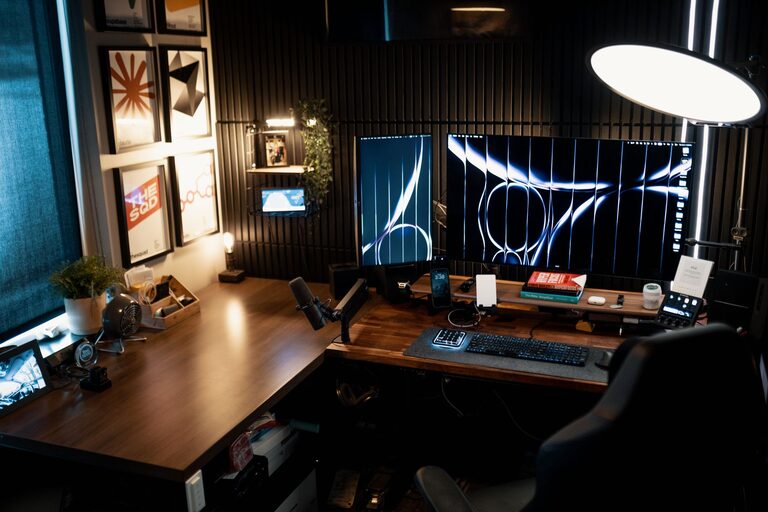
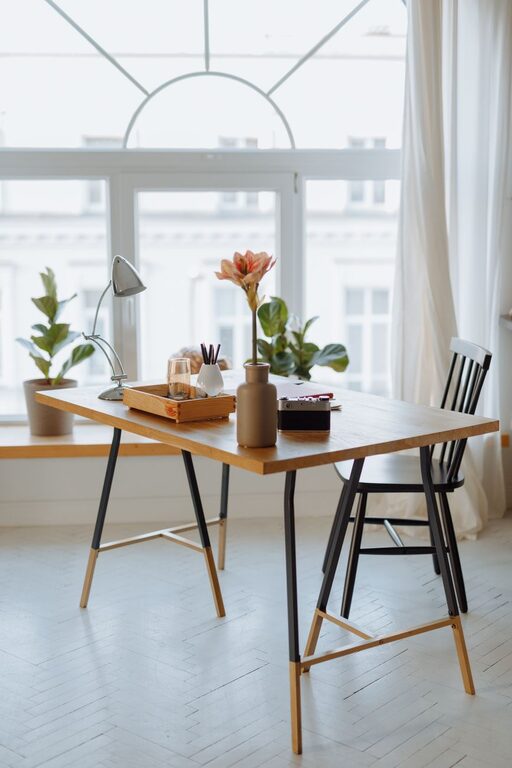
Natural light boosts mood and energy, so choose a spot near a window if possible. Pair this with adjustable artificial lighting to keep your area bright throughout the day. Proper ventilation is equally important for comfort and focus.
Invest in Comfortable and Functional Furniture
Ergonomic Chair and Desk
Your chair and desk are central to comfort during long work hours. Choose an ergonomic chair with good lumbar support, adjustable height, and comfortable padding. Your desk should accommodate your computer, accessories, and any other work materials you use regularly.
Flexible Layout
If your work requires different activities—like computer work, reading, or crafting—consider a workspace that allows you to switch between tasks easily. A desk with an adjustable height or side tables for extra surface space can be very helpful.
Organize with Purpose
Declutter Daily
Keep your desk tidy by clearing unnecessary items each day. A clean space helps reduce stress and keeps your mind clear.
Smart Storage Solutions
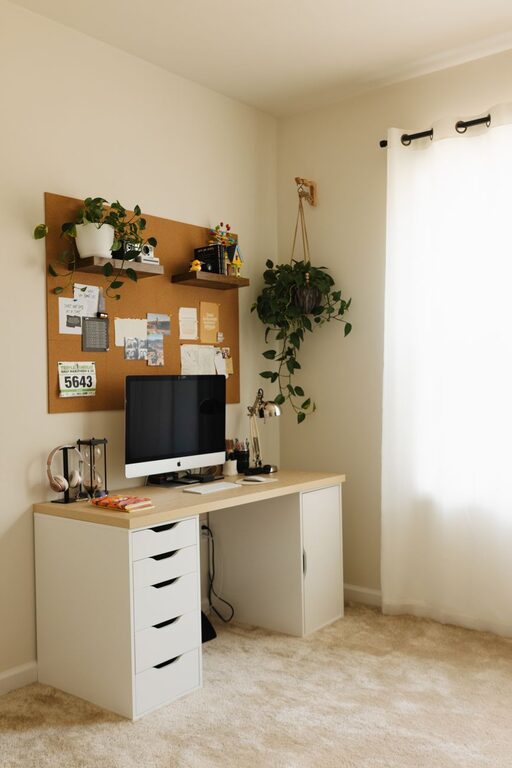
Use shelves, drawers, or boxes to organize papers, supplies, and cables. Label storage containers to quickly find what you need. Vertical storage saves floor space and keeps your workspace orderly.
Personalize Your Space
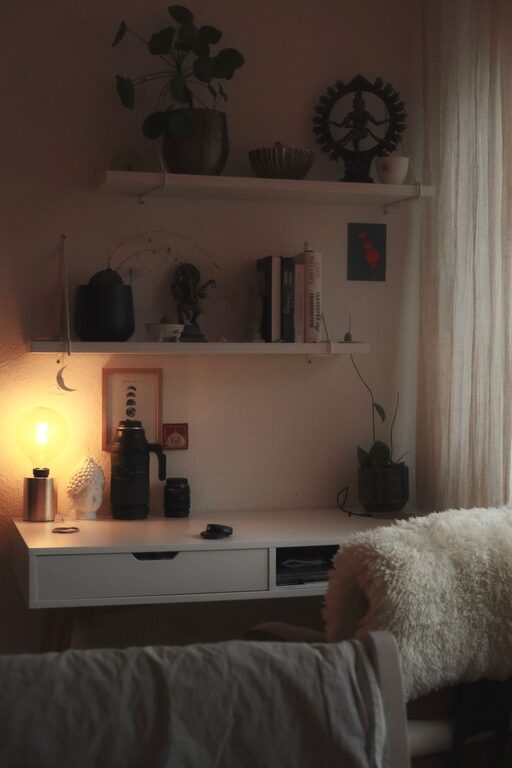
Adding small personal touches helps make your workspace inviting. Photos, a plant, or artwork can create a positive environment and make work feel less like a chore. However, avoid over-cluttering to keep distractions low.
Establish a Routine
Even the best workspace won’t help if you lack structure. Set working hours that align with your lifestyle and stick to regular breaks. Use timers to remind yourself to stretch or move around. A routine signals your brain when it’s time to focus and when to relax.
Minimize Distractions
Manage Noise
If noise is an issue, consider noise-cancelling headphones or soft background music to increase concentration. White noise machines can also block out disruptive sounds.
Digital Distractions
Turn off non-essential app notifications and use focus modes on your devices. Apps that block distracting websites during work sessions may boost productivity.
Use Technology Wisely
Reliable technology is a must-have. Choose fast internet, a quality monitor, keyboard, and mouse that feel comfortable. Backup important files regularly and keep software updated for smooth operation.
Adapt Your Setup Frequently
Your needs can change, so periodically evaluate your workspace. Adjust lighting, furniture, or organization to improve comfort and efficiency. A flexible workspace evolves with your lifestyle.
—
By carefully considering your habits, environment, and comfort, you can create a home workspace that not only boosts productivity but also feels like a natural extension of your lifestyle. Take the time to make your workspace work for you, and you’ll likely find that your focus and enjoyment improve significantly.