Creating a home office that feels both cozy and productive can significantly enhance your work-from-home experience. Whether you have a dedicated room or just a small corner, designing your workspace thoughtfully helps improve focus, reduce stress, and boost your overall productivity. In this article, we explore practical tips for setting up a home office that caters to both comfort and efficiency.
Choose the Right Location
Finding the ideal spot in your home is the first step. Ideally, pick a quiet area away from heavy foot traffic or distractions. If possible, select a space near a window to take advantage of natural light, which can improve mood and reduce eye strain. Even a small nook or an unused corner in a living room or bedroom can be transformed into a functional office space.
Invest in Ergonomic Furniture
Comfort is key for long hours of work. An ergonomic chair with good lumbar support helps maintain correct posture and prevent back pain. Pair it with a desk at the right height to keep your arms at a 90-degree angle when typing. Adjustable furniture options, such as standing desks or chairs with adjustable features, can further enhance comfort and reduce fatigue.
Optimize Lighting
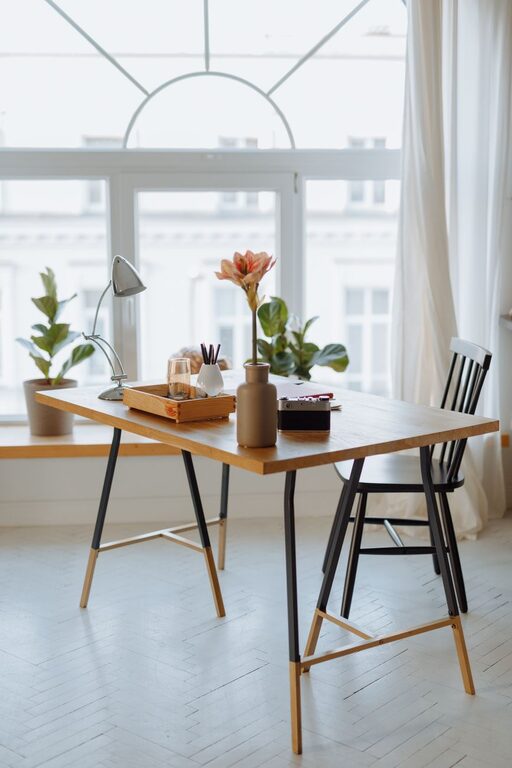
Good lighting is essential to avoid eye strain and maintain focus. Natural daylight is ideal, so try to position your desk near a window. Supplement this with adjustable task lighting, such as a desk lamp with brightness control. Avoid harsh overhead lights or glare from screens by using soft, warm bulbs and positioning lights properly.
Keep the Space Organized
A clutter-free workspace encourages a clear mind. Use shelves, drawers, or filing cabinets to store documents and supplies neatly. Desk organizers, cable management solutions, and storage boxes help keep essential items within reach without overcrowding your desk. Regularly declutter to maintain a tidy and inspiring environment.
Personalize Your Workspace
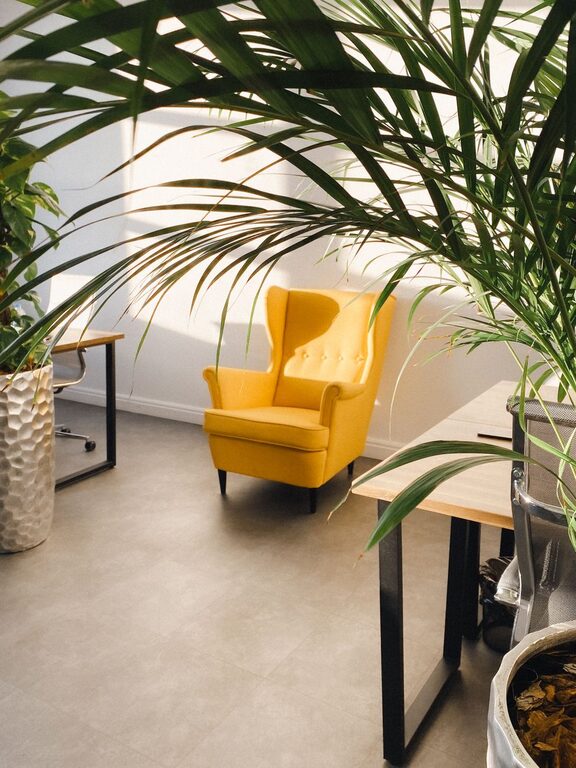
Adding personal touches makes your office inviting and helps you feel more connected to your surroundings. Choose artwork, plants, or decorative items that inspire you without overwhelming the space. Indoor plants not only brighten up the room but may also improve air quality and reduce stress.
Use Color Wisely
Colors affect mood and productivity. Soft, neutral tones create a calm atmosphere, while accents in vibrant colors like blue or green can boost creativity and concentration. Avoid overly bright or clashing colors that might distract you. Consider repainting a wall or adding colorful accessories to introduce subtle energy to your workspace.
Manage Noise Levels
If noise is an issue, consider solutions such as noise-canceling headphones or soft background music to help you focus. Thick curtains, rugs, or acoustic panels can absorb sound and minimize distractions. Creating a quiet, peaceful environment supports better concentration and reduces stress.
Set Boundaries and Routine
To maintain productivity, clearly define when and where work happens in your home office. Keep work materials organized and avoid using your office space for unrelated tasks. Setting a daily routine with scheduled breaks helps maintain work-life balance and prevents burnout.
Upgrade Your Technology
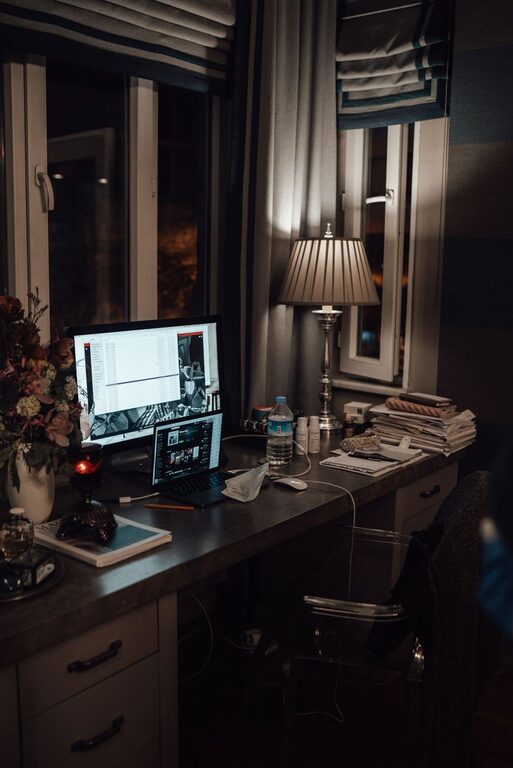
Ensure your computer, internet connection, and other devices meet your work requirements. Position monitors at eye level to protect your neck, and use accessories like wireless keyboards or mouse for comfort. Regularly update software and maintain equipment for smooth workflow.
Prioritize Air Quality and Comfort
Good ventilation keeps the air fresh and helps you stay alert. If possible, open windows periodically or use air purifiers to maintain air quality. Adjust room temperature to a comfortable level, as too hot or too cold spaces can affect concentration.
Final Thoughts
Designing a home office that balances coziness and productivity is achievable with thoughtful planning and small changes. By focusing on comfort, organization, lighting, and personal touches, you can create a space that supports your work and well-being. Remember, your home office should reflect your needs and preferences—feel free to experiment and adjust it over time for the best results.